Guide
Montenegro Travel Cost Per Day 2026
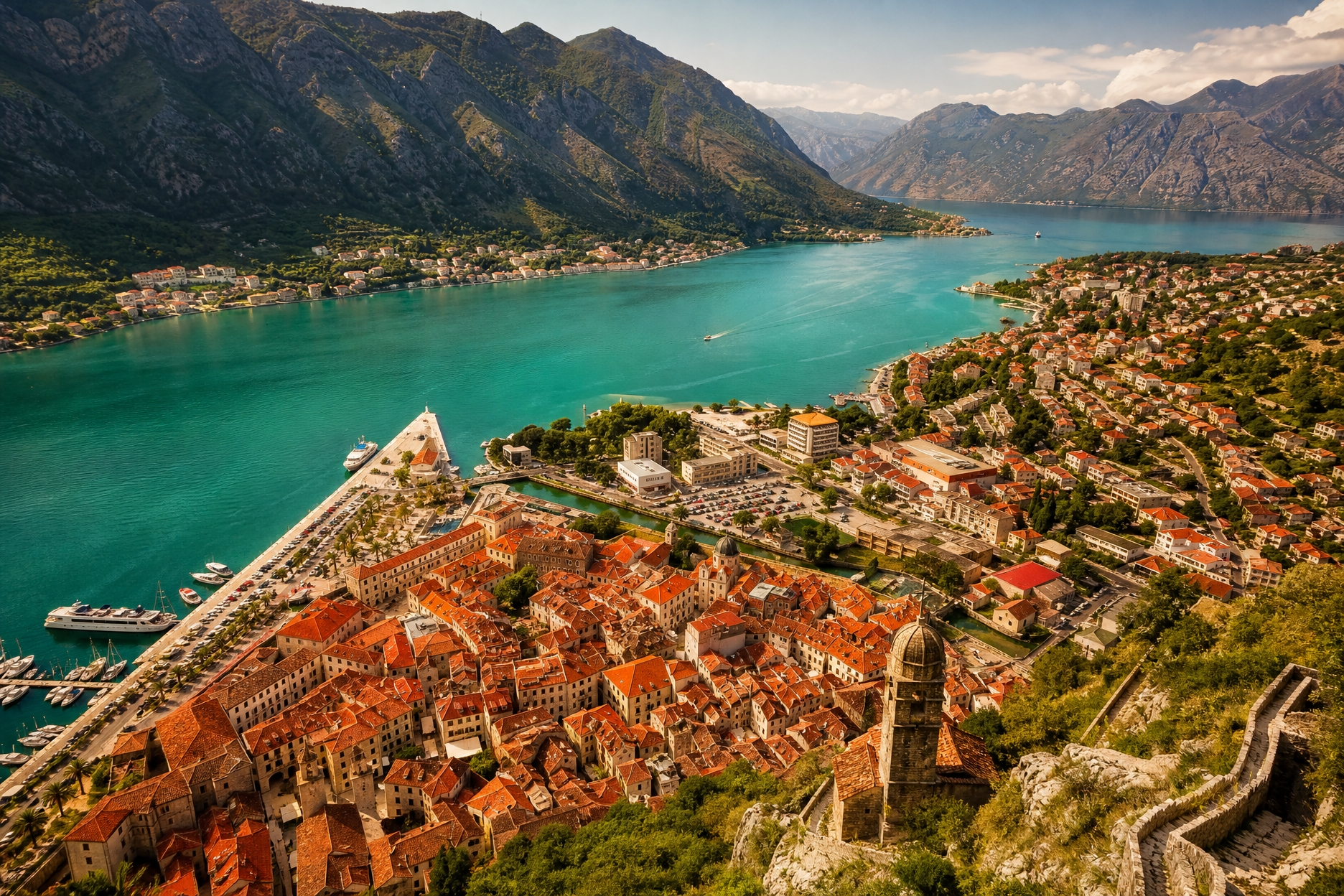
Montenegro is one of the smallest countries in Europe and one of the most scenic — fjord-like bays, UNESCO old towns, 2,500-metre mountain peaks, and an Adriatic coastline that competes with Croatia at a fraction of the price. That price difference is the reason this guide exists. Montenegro is not as cheap as Albania, but it is significantly more affordable than Croatia, Greece, or Italy, and understanding the real costs lets you plan a trip that punches well above its budget.
This guide breaks down every meaningful expense for travelling in Montenegro in 2026: accommodation, food, transport, beaches, national parks, and activities. Three worked daily budgets — budget, mid-range, and comfort — give you exact numbers. All prices are in euros, which is Montenegro's de facto currency despite the country not being in the EU or Eurozone.
For the full destination overview, see our Montenegro travel guide. For getting between Montenegro and Croatia, see Kotor to Dubrovnik: All Transport Options.
Quick Daily Budget Summary
Per-person figures for a couple sharing a room. Excludes flights.
| Budget Level | Daily Cost (per person) | 7-Day Total (per person) | What You Get |
|---|---|---|---|
| Budget | €50–75 | €350–525 | Hostel or guesthouse, local restaurants, free beaches, public buses |
| Mid-range | €90–160 | €630–1,120 | Hotel with character, mix of restaurants, rental car, national parks |
| Comfort | €170–300+ | €1,190–2,100+ | Boutique hotel, seafood dinners, daily beach clubs, private tours |
Return flights from Europe to Podgorica (TGD) or Tivat (TIV) typically cost €80 to €250, depending on origin, carrier, and booking lead time. Dubrovnik Airport (DBV), just across the Croatian border, often has cheaper and more frequent flights — add €15 to €50 for a bus or transfer to Montenegro.
Currency Note
Montenegro uses the euro (€) as its currency, even though it is not an EU or Eurozone member. This happened unilaterally — Montenegro adopted the euro (and before it, the Deutschmark) without a formal agreement with the European Central Bank. The practical upside for visitors: no currency conversion needed if you are arriving from another euro-using country. ATMs are widely available in Kotor, Budva, Podgorica, and other towns. Visa and Mastercard are accepted at most hotels, restaurants, and supermarkets, but beach attendants, buses, small cafés, and market vendors are often cash-only. Carry €50 to €100 in small notes for daily cash expenses.
Accommodation Costs
Accommodation is the biggest variable in your Montenegro budget. The coast is more expensive than the interior, and the July–August peak inflates prices 40 to 80% above shoulder season rates.
Budget Accommodation (€15–50/night)
Hostel dorms in Kotor, Budva, and Podgorica run €15 to €25 per night. Private rooms in guesthouses and family-run apartments — the best value in Montenegro — cost €30 to €50 per night for a double. At this level, expect a clean room with air conditioning, Wi-Fi, and often a kitchenette. Sea views and pools are unlikely, but good locations (within walking distance of old towns and beaches) are common at this price.
Best budget bases: Kotor's guesthouses in the Dobrota area (10-minute walk from the Old Town, €30 to €45 in shoulder season). Podgorica hostels for transit nights (€15 to €20). Žabljak guesthouses near Durmitor National Park (€25 to €40, excellent value year-round).
Mid-Range Accommodation (€60–120/night)
This is the sweet spot. A 3-star hotel or quality apartment with a pool in Kotor, Budva, or Tivat costs €60 to €120 per night. In the Bay of Kotor, this buys a stone-built apartment with a balcony overlooking the water. In Budva, a hotel within walking distance of the Old Town and Slovenska Plaža beach. In Žabljak, a well-appointed mountain lodge with views of Durmitor's peaks.
Kotor Old Town boutique hotels run €100 to €180 in peak season. Equivalent Budva seafront properties cost €120 to €200.
Comfort Accommodation (€130–500+/night)
Montenegro's top end ranges from the Regent Porto Montenegro in Tivat (superyacht marina, starting around €250) to Aman Sveti Stefan (the private island hotel, €1,000+ per night). Between those extremes, excellent beachfront hotels in Budva and Bečići with pools, spas, and sea views run €130 to €250. Perast's heritage stone palazzi along the Bay of Kotor offer a unique luxury experience at €150 to €300.
Accommodation by Location
| Location | Budget (double) | Mid-Range | Comfort |
|---|---|---|---|
| Kotor (Old Town / Dobrota) | €35–55 | €70–130 | €130–250 |
| Budva / Bečići | €35–60 | €65–120 | €120–250 |
| Tivat (Porto Montenegro) | €40–60 | €80–140 | €150–350 |
| Herceg Novi | €30–50 | €55–100 | €100–180 |
| Perast | €50–70 | €80–150 | €150–300 |
| Sveti Stefan area | €40–60 | €70–130 | €130–500+ |
| Žabljak (Durmitor) | €25–40 | €45–80 | €80–150 |
| Podgorica | €20–35 | €45–80 | €80–150 |
Prices are per room per night, peak season (July–August). Shoulder season (May–June, September–October) runs 25 to 40% lower.
💡 Pro Tip
Tourist tax. Montenegro charges a tourist tax of €1 per person per night. Hotels include it in your bill. Airbnb and private rentals sometimes do not — confirm when booking. It is a minor cost but sometimes catches people off guard.
Food and Drink Costs
Montenegrin food is hearty, meat-heavy, and excellent value inland. Coastal restaurants add a 30 to 50% premium, and waterfront seats command more than tables one street back — the same pattern as Albania but at slightly higher absolute prices.
What Things Actually Cost
| Item | Local / Inland Price | Coastal Waterfront Price |
|---|---|---|
| Espresso or cappuccino | €1.30–2.20 | €2.50–4.00 |
| Domestic beer (Nikšićko, draft) | €1.50–2.50 | €3.00–4.50 |
| Imported beer (bottle) | €2.30–3.00 | €3.50–5.00 |
| Bottled water (500ml) | €0.50–1.00 | €1.50–2.50 |
| Ćevapi or pljeskavica (street/casual) | €4–7 | €7–10 |
| Sit-down lunch (main + drink) | €8–14 | €14–22 |
| Full dinner for two (with wine) | €30–50 | €50–90 |
| Grilled fresh fish (main, per portion) | €10–18 | €16–28 |
| Njeguški steak (local speciality) | €10–15 | €14–20 |
| Cocktail | €5–8 | €8–14 |
| Mid-range bottle of wine (restaurant) | €12–20 | €18–35 |
Daily Food Budgets
Budget (€18–28/day per person): Bakery breakfast (burek, pastry, coffee: €3 to €5). Ćevapi or pizza for lunch at a casual spot (€5 to €8). Sit-down dinner at a local restaurant inland or away from the waterfront (€10 to €15 with a beer). Total: €18 to €28.
Mid-range (€35–55/day per person): Café breakfast (€5 to €8). Seafood lunch at a bay-view restaurant (€14 to €20). Dinner at a solid konoba — traditional Montenegrin tavern — with wine (€18 to €30). Total: €35 to €55.
Comfort (€60–100/day per person): Hotel breakfast (often included). Beach club lunch. Waterfront seafood dinner with premium wine. Total: €60 to €100.
Where to Save on Food
Kotor's Old Town restaurants are tourist-priced. Walk 200 metres outside the walls to Dobrota or the Škurda area for the same cuisine at 30 to 40% less. In Budva, the streets behind the Old Town's walls have family-run konobas serving locals at local prices.
Njeguši village on the road between Kotor and Cetinje is famous for smoked ham (pršut) and cheese. Tasting plates at family farms cost €4 to €7 and constitute an entire meal. If you are driving the Lovćen road, this is the best-value lunch on the coast.
Tap water is safe to drink throughout Montenegro — one of few Balkan countries where this is reliably true. Refilling a bottle saves €2 to €4 per person per day compared with buying bottled water.
Beach Costs
Montenegro's beaches are legally public — you pay for the sunbed and umbrella, not the sand or pebbles beneath them. Free sections exist on most organised beaches.
Sunbed Prices by Area
| Beach Area | Sunbed Set (2 beds + umbrella) | Free Sections? |
|---|---|---|
| Bečići beach | €10–15 | Yes, generous public sections |
| Slovenska Plaža (Budva) | €15–25 | Yes, at the ends |
| Mogren (Budva) | €15–20 | Limited; small coves |
| Sveti Stefan public beach | Free (own towel) | Entirely free public section |
| Queen's Beach (Sveti Stefan) | €30–220 (hotel beach) | No |
| Jaz Beach (near Budva) | €10–15 | Yes, large free area |
| Herceg Novi beaches | €8–15 | Yes |
| Luštica Peninsula | €10–20 | Yes, plus several wild beaches |
The Sveti Stefan split is extreme: the public beach in front of the islet is free and beautiful, while Queen's Beach next door (managed by the Aman resort) charges €220 for a premium cabana setup. Most visitors stick to the public side, which offers the same iconic view at no cost.
Beach Budget Strategies
Budva and Bečići beaches are the most popular — and therefore the most expensive for sunbeds. Jaz Beach (5 km from Budva, reachable by car or taxi) offers similar quality at lower prices with a massive free section. Herceg Novi beaches are consistently 20 to 30% cheaper than Budva. In general, the further you get from Budva's centre, the cheaper the beach.
ℹ️ Good to Know
Pebble versus sand. Most Montenegrin beaches are pebble or mixed. Bečići has the longest sandy stretch on the coast. Bring water shoes for pebble beaches — they are essential for comfortable entries at Mogren, Jaz, and most Bay of Kotor beaches.
Transport Costs
Flights
Podgorica (TGD) is the main international airport. Tivat (TIV) serves the coast directly and is far more convenient for Kotor, Budva, and the Bay of Kotor. Dubrovnik (DBV) in Croatia is an alternative — more airlines, often cheaper flights, but requires a border crossing to reach Montenegro.
Intercity Buses
Montenegro's bus network is the cheapest way to move between towns.
| Route | Price | Duration | Frequency |
|---|---|---|---|
| Kotor → Budva | €3.50–5 | 35–50 min | Every 20–40 min (summer) |
| Budva → Podgorica | €7–10 | 1.5–2 hours | Hourly |
| Podgorica → Kotor | €9–12 | 2–2.5 hours | 10+ daily |
| Kotor → Herceg Novi | €3–5 | 40–60 min | Frequent |
| Podgorica → Žabljak (Durmitor) | €10–15 | 3–3.5 hours | 3–5 daily |
| Budva → Cetinje | €5–7 | 1–1.5 hours | Several daily |
| Kotor → Dubrovnik | €13–55 | 2–3.5 hours | 6–10 daily |
Tickets can be bought at the station or online via Busbud, Omio, or FlixBus (for their routes). Cash at the station is usually cheapest.
Rental Car
A rental car is the single best investment in a Montenegro trip. It unlocks the Lovćen hairpin road, the Skadar Lake shore, Durmitor plateau, Luštica Peninsula, and dozens of hidden coves impossible to reach by bus.
| Vehicle | Shoulder Season (May/Jun/Sep) | Peak (Jul–Aug) |
|---|---|---|
| Economy (Fiat 500, Renault Clio) | €25–35/day | €40–55/day |
| Compact (VW Golf, Toyota Corolla) | €30–45/day | €50–65/day |
| SUV / 4WD | €50–75/day | €80–110/day |
Additional costs: full CDW insurance (€8 to €15/day extra to reduce excess to zero), cross-border fee if driving to Croatia or Albania (€15 to €50), fuel at €1.40 to €1.60/litre. A compact car's full tank costs approximately €55 to €65.
The hybrid strategy: rent a car for 3 to 4 days to cover Lovćen, Skadar Lake, Durmitor, and the coast's hidden beaches. Use buses for the rest. This typically saves €100 to €200 over a full-week rental while covering everything buses cannot reach.
Taxis and Ride-Hailing
Taxi start: approximately €1. Per kilometre: approximately €1. A ride from Kotor bus station to the Old Town: €3 to €5. Budva to Sveti Stefan: €8 to €12. Ride-hailing apps (Bolt) work in Budva and Podgorica but coverage is limited elsewhere. Always agree on the fare before getting in an unmetered taxi.
Tolls
Montenegro has minimal road tolls. The Sozina Tunnel (Kotor–Bar direction) charges €3.50. The Vrmac Tunnel charges a smaller fee. Both save time but the old roads over the mountains are more scenic if you are not in a rush.
National Parks and Activities
Montenegro has five national parks. Entry fees are modest, and a multi-park pass offers good value if you plan to visit more than one.
National Park Entry Fees
| Park | Single Entry | Notes |
|---|---|---|
| Durmitor | €3–5 | Black Lake access included; additional fees for some trails |
| Lovćen | €3 | Njegoš Mausoleum: additional €8 adults, €4 children |
| Skadar Lake | €4 | Boat tours from Virpazar: €10–30 additional |
| Biogradska Gora | €3 | One of Europe's last primeval forests |
| Prokletije | €3 | Remote; near Albanian border |
| Annual pass (all 5 parks) | €13.50 | Pays for itself after 3–4 park visits |
The annual pass at €13.50 is excellent value for any trip that includes two or more parks. Buy it at the entrance to your first park.
Activity Costs
| Activity | Cost Per Person | Notes |
|---|---|---|
| Kotor City Walls climb | Free (donation suggested) | 1,350 steps; start early to avoid heat |
| Kotor Cable Car | €25 (return) | Opened 2024; alternative to the wall climb |
| Bay of Kotor boat tour | €20–40 | Includes Perast and Our Lady of the Rocks |
| Tara River rafting (half day) | €50–70 | The signature Montenegro adventure |
| Tara River rafting (full day with lunch) | €70–100 | 18 km through Europe's deepest canyon |
| Đurđevića Tara Bridge zipline | €35–50 | 350 m across the canyon, 150 m above the river |
| Cetinje museums | €2–5 each | Former royal capital; multiple small museums |
| Blue Grotto boat trip (Luštica) | €15–25 | Bioluminescent cave; from Herceg Novi |
| Skadar Lake boat tour (Virpazar) | €15–30 | Birdwatching, monastery visits |
| Lovćen National Park + Mausoleum | €11 total (park + mausoleum) | Spectacular mountain-top views |
Budget approach (€25–45/week): Kotor walls (free), one national park entry (€3 to €5), one bay boat tour (€20 to €40). Total: €23 to €45.
Mid-range approach (€80–160/week): Annual park pass (€13.50), Tara rafting (€70 to €100), bay boat tour (€20 to €40), cable car (€25). Total: approximately €128 to €178.
Comfort approach (€180–350+/week): All of the above plus private bay tour, zipline, guided Lovćen/Durmitor day trips. Total: €180 to €350+.
Other Costs
SIM card / eSIM: A local SIM at Crnogorski Telekom or One (m:tel) with 5 to 10 GB costs €5 to €8. An Airalo eSIM starts at €4.50 — activated before landing, no queue. See our best eSIM for the Balkans comparison.
ATM fees: Montenegrin ATMs typically charge €2 to €5 per withdrawal. Use a no-fee travel card (Wise, Revolut) to minimise costs. Withdraw larger amounts less frequently.
Tipping: 10% at sit-down restaurants is customary but not required. Rounding up at cafés is appreciated. Tip rafting guides and boat captains €5 to €10 if the experience was good.
Travel insurance: Budget €1 to €3 per day. Essential given mountain activities (rafting, hiking, zipline) and winding coastal roads.
Sunscreen: Buy at a supermarket (€4 to €8) rather than a hotel shop or beach kiosk (€12 to €18).
Sample 7-Day Budgets
All figures per person for a couple sharing a room. Shoulder season (June or September). Peak season (July–August) runs 30 to 45% higher on accommodation and beaches.
Budget Traveller — €60/day
| Category | Daily | 7-Day Total |
|---|---|---|
| Accommodation (guesthouse, €40/night ÷ 2) | €20 | €140 |
| Food (bakery breakfast, casual lunch, local dinner) | €22 | €154 |
| Transport (buses between towns) | €6 | €42 |
| Beaches (mostly free, 2 paid days) | €3 | €21 |
| Activities (Kotor walls, 1 park, 1 boat tour) | €7 | €49 |
| SIM, water, tips, sundries | €4 | €28 |
| Total | €62 | €434 |
A €62/day trip with no deprivation. You eat sit-down dinners, explore Kotor and one national park, swim at excellent beaches, and move between towns by bus. The main compromises: basic accommodation, fewer paid activities, and no rental car.
Mid-Range Traveller — €115/day
| Category | Daily | 7-Day Total |
|---|---|---|
| Accommodation (hotel, €85/night ÷ 2) | €42.50 | €297.50 |
| Food (café breakfast, restaurant lunch and dinner) | €40 | €280 |
| Transport (rental car 4 days + buses) | €16 | €112 |
| Beaches (4 paid days at mid-range concessions) | €8 | €56 |
| Activities (park pass, rafting, boat tour, cable car) | €18 | €126 |
| SIM, water, tips, sundries | €6 | €42 |
| Total | €130.50 | €913.50 |
The sweet spot. A hotel with character, good restaurants, a rental car for the mountain and lake circuits, Tara River rafting, and a mix of beach club days and free swimming. This is the budget where Montenegro delivers its best value — comparable experiences in Croatia would cost 50 to 70% more.
Comfort Traveller — €210/day
| Category | Daily | 7-Day Total |
|---|---|---|
| Accommodation (boutique hotel, €170/night ÷ 2) | €85 | €595 |
| Food (hotel breakfast, beach lunch, waterfront dinner) | €70 | €490 |
| Transport (rental car full week) | €20 | €140 |
| Beaches (daily beach club, premium sunbeds) | €15 | €105 |
| Activities (private tours, rafting, zipline, boat charter) | €25 | €175 |
| SIM, water, tips, sundries | €8 | €56 |
| Total | €223 | €1,561 |
Even at the comfort level — boutique hotels, daily beach clubs, seafood dinners, and every signature activity — Montenegro costs less than a mid-range week in Dubrovnik, Hvar, or Mykonos. That is the core value proposition.
How Montenegro Compares
| Destination | Mid-Range 7-Day Cost (per person) | vs. Montenegro |
|---|---|---|
| Albanian Riviera | €560–980 | 20–30% less |
| Montenegro | €630–1,120 | Baseline |
| Dubrovnik / Southern Croatia | €900–1,500 | 35–50% more |
| Split / Hvar, Croatia | €1,100–1,800 | 60–75% more |
| Greek Islands (Corfu, Crete) | €900–1,500 | 40–55% more |
Montenegro sits between Albania (cheaper) and Croatia (more expensive). The comparison with Croatia is most relevant — Montenegro offers a similar Adriatic experience (medieval old towns, crystal-clear water, dramatic coastline) at roughly 40 to 60% less. The trade-off is less tourist infrastructure and fewer direct flights, but for many travellers that is a feature, not a bug.
When to Go for Best Value
| Month | Price Level | Sea Temp | Verdict |
|---|---|---|---|
| May | 30–45% below peak | 18–20°C | Best prices, sea still cool for swimming |
| June | 15–25% below peak | 21–23°C | Excellent value, warm enough for the coast |
| July | Peak pricing | 24–26°C | Hottest, busiest, most expensive |
| August | Peak + crowds | 25–27°C | Maximum everything — cost, crowds, heat |
| September | 20–35% below peak | 23–25°C | Best overall value — warm sea, fewer crowds |
| October | 35–50% below peak | 20–22°C | Coast winding down, mountains still excellent |
September is the best month for value on the coast. For Durmitor and the mountains, June and September are equally good — cooler temperatures, fewer hikers, lower accommodation prices.
Coast vs. Interior: The Price Split
One of Montenegro's best budget features is the dramatic price difference between coast and interior. The Bay of Kotor and Budva Riviera charge coastal Mediterranean prices. Žabljak, Kolašin, Cetinje, Virpazar, and the mountain interior cost 30 to 50% less for accommodation and food.
A smart budget strategy: split your trip between 4 nights on the coast and 3 nights in the mountains. The mountain days bring your average daily cost down significantly while delivering Montenegro's most dramatic scenery — Durmitor, Tara Canyon, Skadar Lake, and the Lovćen road.
10 Ways to Cut Your Daily Costs
Travel in June or September. Accommodation drops 20 to 35%, beach costs fall, and restaurants are less likely to apply peak-season surcharges.
Stay in Herceg Novi instead of Kotor or Budva. The overlooked town at the bay's entrance has excellent restaurants, good beaches, and accommodation that runs 20 to 30% cheaper than Kotor.
Eat one street back from the water. The same meal costs 30 to 50% less away from the waterfront. This rule applies everywhere on the Montenegrin coast.
Drink tap water. Montenegro's tap water is safe throughout the country. Refilling a bottle saves €2 to €4 per person per day.
Use the annual parks pass. €13.50 for all five national parks. If you visit Durmitor and Lovćen — which most visitors should — it already pays for itself.
Rent a car for part of the trip. Three to four days of rental covers the mountains and hidden beaches. Use buses for coastal hops between Kotor, Budva, and Herceg Novi.
Use Jaz Beach, not Slovenska Plaža. Similar quality, 5 km from Budva, with a large free section and lower sunbed prices.
Book the early bus to Dubrovnik. The 07:10 departure avoids the border queue, saving you up to 3 hours. It also tends to be the cheapest departure.
Buy the Njeguši tasting plate. A €5 to €7 plate of smoked ham, cheese, bread, and olives at a Njeguši farm is a full meal — and better food than many €20 restaurant lunches.
Get an eSIM before you fly. An Airalo eSIM starts at €4.50. Avoids the airport SIM counter and works across Montenegro, Croatia, and Albania if you are crossing borders. See our eSIM comparison.
Frequently Asked Questions
How much does Montenegro cost per day? Budget: €50 to €75. Mid-range: €90 to €160. Comfort: €170 to €300+. All per person, couple sharing a room, excluding flights.
Is Montenegro expensive? Relative to Western Europe: no. Relative to Albania or Bosnia: yes, roughly 20 to 30% more expensive. Relative to Croatia: significantly cheaper, approximately 40 to 60% less for comparable experiences. Montenegro occupies the middle ground of Balkan pricing.
Is Montenegro cheaper than Croatia? Substantially. A mid-range week in Montenegro costs €630 to €1,120 per person. The same week in coastal Croatia runs €1,100 to €1,800. The gap is widest on accommodation and restaurants.
What currency does Montenegro use? The euro (€), despite not being in the EU or Eurozone. No currency conversion needed from other euro countries. ATMs dispense euros. Cards are widely accepted in hotels and restaurants; carry cash for buses, beaches, and small vendors.
Do I need cash in Montenegro? Yes, for buses, sunbed operators, small restaurants, market vendors, and parking meters. Hotels and mid-range restaurants accept cards. A good approach: withdraw €100 to €150 at a time from an ATM using a no-fee travel card, and keep €50 in small notes for daily cash needs.
Is Tara rafting worth the cost? At €50 to €100 per person, Tara rafting through Europe's deepest canyon is one of the best-value adventure activities in the Balkans. The full-day trip with lunch is the better option — the half-day version covers less of the canyon and feels rushed.
Should I rent a car in Montenegro? If your trip includes Durmitor, the Lovćen road, or Skadar Lake: yes. A 3 to 4 day rental at €25 to €45 per day is the most cost-effective way to see Montenegro's interior. If you are staying only on the coast between Kotor and Budva: buses are frequent, cheap, and sufficient.
Montenegro is not the cheapest country in the Balkans — Albania and Bosnia undercut it — but it delivers the highest scenery-per-euro ratio in the region. A fjord-like bay, a UNESCO old town, a 1,300-metre canyon, a national park with glacial lakes, and an Adriatic coastline — all within a country smaller than Connecticut, all reachable in a day's driving, and all at 40 to 60% less than the Croatian coast next door. The trick is timing (September), splitting coast and interior, eating one street back, and renting a car for the mountains. Get those four things right and Montenegro delivers an extraordinary trip at a very reasonable price.
For the full destination guide, see Montenegro travel guide. For getting to Croatia, read Kotor to Dubrovnik: All Transport Options.